
Crazy Horse Campground: Plan Your Buffalo River Stay
Crazy Horse Campground sits on Tennessee's Buffalo River with riverfront sites, RV hookups, cabins, and no-reservation floats. Plan your stay today.
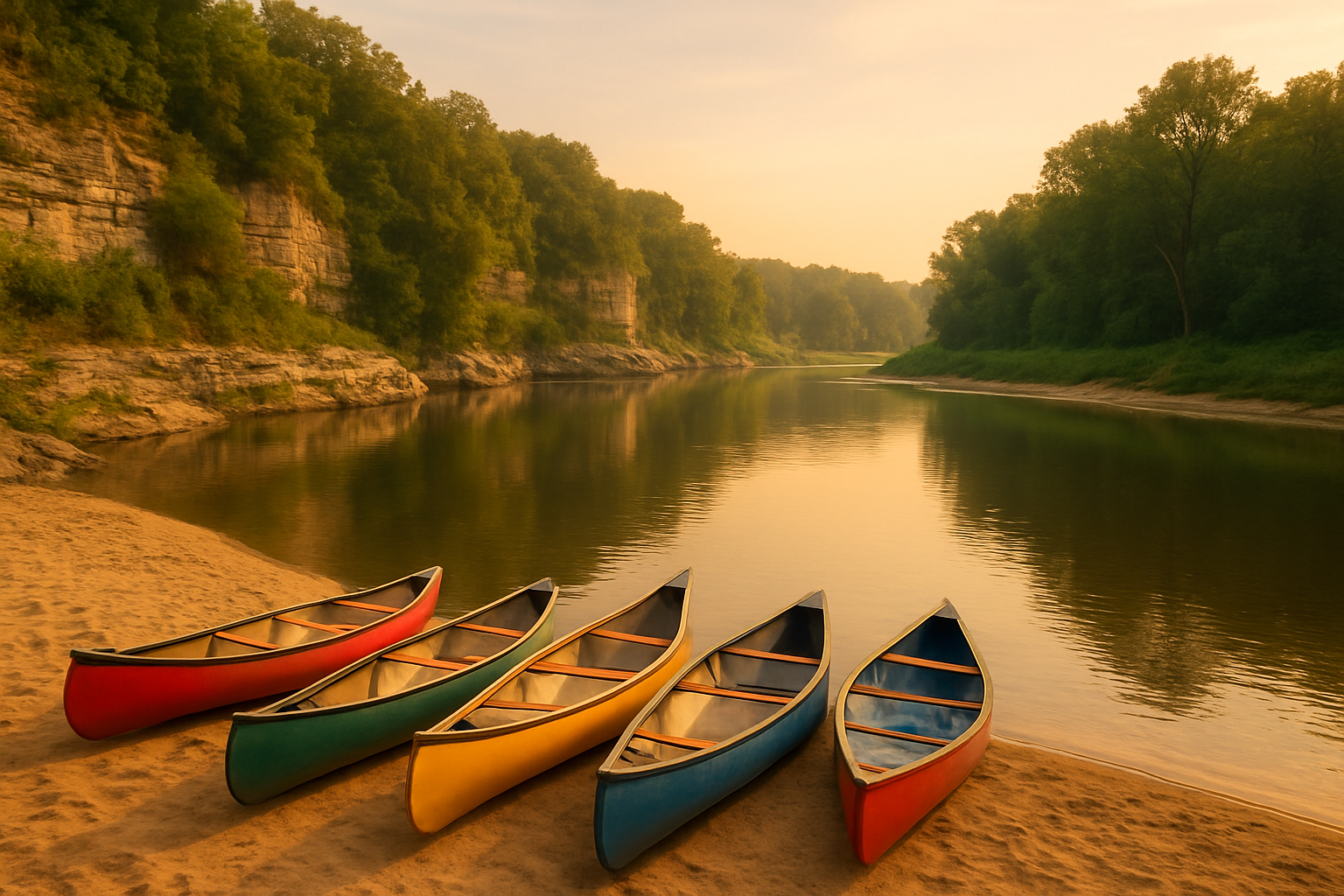
Crazy Horse Campground sits along one of the most scenic bends of Tennessee's Buffalo River, just off Highway 13 near Waynesboro. For nearly 35 years, this family-owned outfitter and campground has welcomed paddlers, campers, and families who want a simple, no-reservation way to spend a day or a weekend on the water. Whether you pitch a tent, park an RV, or book a riverfront cabin, the campground serves as a home base for float trips ranging from a quick eight-mile paddle to a sixteen-mile overnight adventure.
A quiet stretch of the Buffalo River near the Crazy Horse Campground launch point.
What Is Crazy Horse Campground?
Crazy Horse Campground is a family-owned riverfront campground, canoe and kayak outfitter, and lodging destination on the Buffalo River at Bell Bridge. In short, it is a place where guests can rent a boat, pitch a tent or park an RV, and sleep in a cabin, all without a single reservation phone call for the float itself. Because the business has run for nearly 35 years, the current owners know the river's moods well, from low-water summer afternoons to higher spring flows.
Consequently, the campground was named the Wayne County Chamber of Commerce 2026 Destination of the Year, a recognition tied to its veteran- and female-owned roots and its stretch of river widely considered the most scenic on the Buffalo. According to the Buffalo River's Wikipedia entry, the river runs roughly 125 miles through Middle Tennessee before joining the Duck River, which helps explain why there are so many possible put-in and take-out points along its length.
Finding the Campground at Bell Bridge
The campground sits at the Bell Bridge access, reached from Highway 13 outside Waynesboro, Tennessee. This location places it within the stretch of river most guests describe as the prettiest, featuring bluffs, a rope swing, a small waterfall, and a cave along one of the float routes. Because the office, camp store, and both campgrounds sit close together, first-time visitors generally find it easy to park, check in, and get oriented.
If you are coming from out of town, it helps to check current weather and water conditions before you leave. The National Weather Service publishes regional forecasts, and the Tennessee Wildlife Resources Agency shares general river safety guidance that applies to float trips statewide.
Choosing the Right Riverfront Site for Your Stay
One of the first decisions at this Buffalo River campground is picking a site type. Because needs vary so much between a weekend tent camper and a family towing a 35-foot RV, the campground offers several tiers of accommodation side by side.
Primitive and Electric Tent Sites
A primitive site means a basic cleared spot with no hookups, ideal for tent campers who just need a flat patch of ground near the water. Electric tent sites add power for lights, fans, or small appliances.
RV Sites With Water and Electric Hookups
RVers can choose water-and-electric sites with 30 or 50 amp service, available on a short-term, weekly, or monthly basis for longer stays on the river.
Cabins and Lodge Rooms
Guests who prefer a roof overhead can book a small one-room riverside cabin, a multi-bedroom family cabin, or a woodland-themed lodge room above the office.
For groups wanting more structure, the full lineup of cabins and lodge rooms includes options such as Lodge Room 10, Lodge Room 12, and Lodge Room 15. Larger families, meanwhile, often choose Mason's Place, a three-bedroom house that sleeps up to nine people.
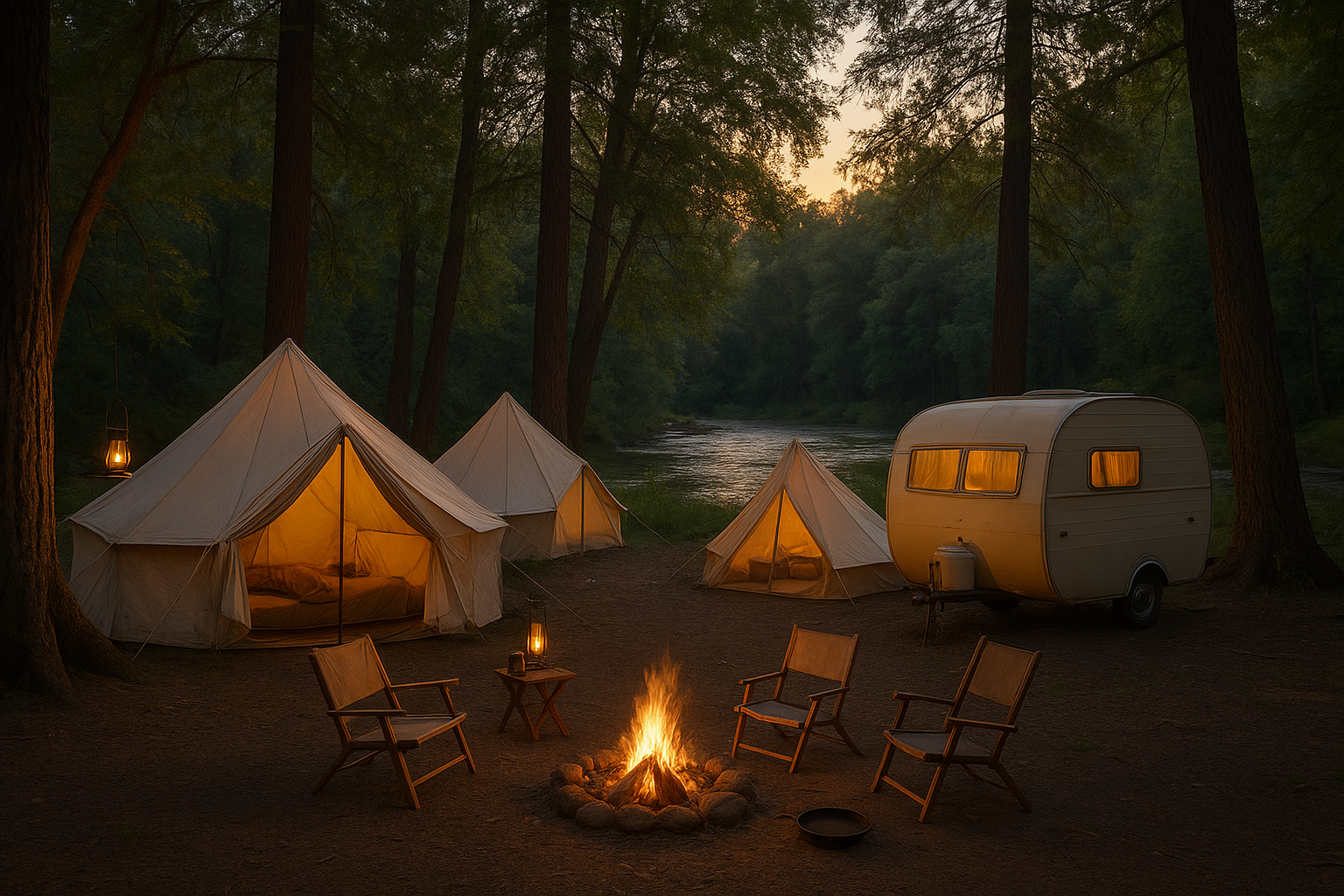
Tent and RV sites sit just steps from the water at this Buffalo River campground.
Amenities Beyond the Campsite
Beyond a place to sleep, the campground provides free hot showers, which matter more than they might sound after a day of paddling. In addition, the on-site camp store stocks ice, drinks, snacks, river gear, apparel, and sundries, so guests rarely need to drive into town mid-trip.
Other amenities include picnic tables, grills, dump stations for RVs, a pavilion for group gatherings or events, and a day-pass swim area. For readers who want an even broader look at nearby options, our Buffalo River camping guide covers the surrounding area in more depth.
How to Plan Your Trip to Crazy Horse Campground
Planning a visit does not need to be complicated. The following steps outline a simple process that works whether you are camping for one night or settling in for a full week.
- Decide how many people are in your group and whether you want a tent site, an RV hookup, a cabin, or a lodge room so you can match the space to your crew.
- Choose a float trip length if you want to pair paddling with your stay, picking the 8-mile day trip, the 10-mile scenic route past bluffs and a waterfall, or the 16-mile overnight paddle.
- Pack weather-appropriate clothing, sun protection, and a dry bag for valuables, since canoe and kayak trips expose everything in the boat to occasional splashes.
- Plan your arrival time around daylight hours, especially on busy weekends, so you have plenty of time to pick a site or check into your cabin before dark.
- Confirm current site availability, rates, and payment options ahead of time, particularly if you are arriving during a holiday weekend or peak summer season.
- Stop by the camp store after you settle in to pick up ice, drinks, snacks, or any river gear you forgot before heading out on the water.
Pairing a Float Trip With Your Campground Stay
Most guests come for the combination of camping and paddling, so it helps to understand the three main float options. The 8-mile trip, from Topsy to Crazy Horse, suits a shorter afternoon on the water. The 10-mile route, from Crazy Horse to Blue Rock, is the most scenic, passing bluffs, a rope swing, a waterfall, and a cave, which makes it the most requested trip.
For a bigger adventure, the 16-mile overnight paddle runs from Trace Creek to Crazy Horse with primitive riverside camping along the way. Rentals for all three routes include paddles, life jackets, shuttle transportation, parking, and boat-damage insurance, so first-timers rarely need to bring much beyond personal gear. As a safety note, the American Canoe Association recommends always wearing a properly fitted life jacket while paddling, regardless of swimming ability.
Campground Rules Every Guest Should Know
Like most riverfront campgrounds, Crazy Horse asks guests to be considerate of neighboring sites. Quiet hours and generator policies can shift by season, so it is worth confirming current rules at check-in rather than assuming last year's policy still applies.
In addition, campers heading out for the overnight 16-mile float should prepare as they would for any primitive camping trip: pack out all trash, secure food from wildlife, and bring a basic first-aid kit. The nonprofit Leave No Trace organization offers widely used guidelines for minimizing impact on riverbanks and campsites, which apply well to a Buffalo River overnight trip.
Best Times to Visit Crazy Horse Campground
Late spring through early fall typically brings the warmest water and the most predictable float conditions. However, summer weekends draw the largest crowds, so arriving early in the day tends to mean shorter waits for parking, shuttles, and site selection.
Weekday trips, by contrast, often feel noticeably quieter. For guests who prioritize solitude over company, a Tuesday or Wednesday float past the bluffs and waterfall can feel like having the river to yourself. No matter when you visit, the on-site airboat remains available for quick, non-emergency assistance if a paddler needs help getting back to shore.
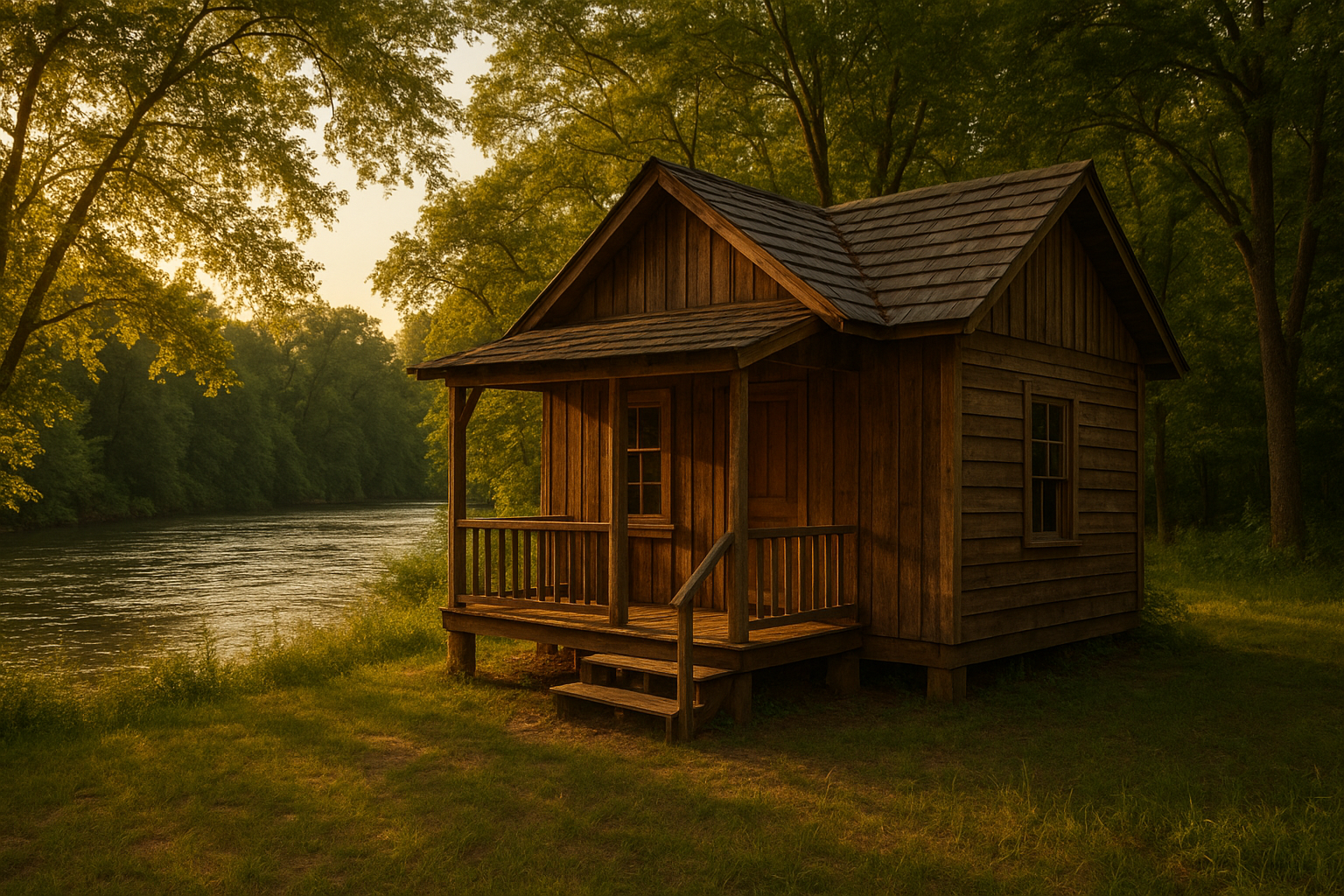
A compact riverside cabin offers an alternative to tent camping at Crazy Horse Campground.
Frequently Asked Questions About Crazy Horse Campground
What is Crazy Horse Campground?
Crazy Horse Campground is a family-owned riverfront campground and canoe outfitter on Tennessee's Buffalo River at Bell Bridge, near Waynesboro. It has operated for nearly 35 years and offers tent sites, RV hookups, cabins, lodge rooms, and unguided float trips.
Where is Crazy Horse Campground located?
The campground sits at the Bell Bridge access off Highway 13 in Waynesboro, Tennessee, along one of the river's most scenic stretches.
Do I need a reservation to float the river?
No reservation is required for canoe or kayak floats. Guests simply arrive, choose a trip length, and head to the launch point.
What types of campsites are available?
Sites range from primitive tent spots to electric hookups and full water-and-electric RV pads. Riverfront cabins and lodge rooms are also available for guests who prefer a roof over their heads.
Can I bring my RV to Crazy Horse Campground?
Yes, the campground offers RV sites with 30 and 50 amp electric service and water hookups, available for short-term, weekly, or monthly stays.
How much does it cost to stay at the campground?
Rates vary by site type, season, and length of stay, from primitive tent sites to multi-bedroom cabins. It is best to check current pricing directly before you arrive, especially around busy weekends.
What amenities does Crazy Horse Campground offer?
Guests have access to free hot showers, a camp store with ice, drinks, snacks, and river gear, picnic tables, grills, and a pavilion area. An on-site airboat is also available for quick river assistance.
How does Crazy Horse Campground compare to other Buffalo River campgrounds?
Crazy Horse combines a campground, outfitter, and lodging destination in one spot, which means guests can rent a canoe, camp, and stay in a cabin without driving between separate businesses. It was also named the Wayne County Chamber of Commerce 2026 Destination of the Year.
What float trips can I pair with my campground stay?
Choices include an 8-mile day trip, a scenic 10-mile trip with bluffs, a rope swing, a waterfall, and a cave, and a 16-mile overnight paddle with primitive riverside camping.
How long do the float trips take?
An 8-mile float typically takes a few hours, while the 10-mile scenic route runs longer due to stops at natural features. The 16-mile overnight trip spans a full day plus a night of riverside camping.
What should I avoid when camping along the Buffalo River?
Common mistakes include arriving late without checking launch cutoffs, skipping sun protection, and failing to secure gear in the canoe. Packing light and arriving early on weekends helps avoid most issues.
What are the quiet hours and generator rules?
Specific quiet hours and generator policies can change by season, so it is best to confirm current campground rules when you check in. Being considerate of neighboring sites is always appreciated.
Can I stay in a cabin instead of a tent?
Yes, riverfront cabins range from a small one-room cabin to multi-bedroom family cabins, plus a three-bedroom lodge house that sleeps up to nine guests.
What is the best time of year to visit Crazy Horse Campground?
Late spring through early fall offers the warmest water and most reliable float conditions. Weekdays and early mornings tend to be quieter than peak summer weekends.
What happens if I need help while on the river?
The campground keeps an on-site airboat ready for quick, non-emergency river assistance. Guests should ask staff at check-in about how to reach help if needed during a float.
Final Thoughts on Planning Your Visit
In the end, Crazy Horse Campground works well precisely because it removes the usual hassle of coordinating a float trip, a campsite, and a place to shower into three separate errands. Instead, everything sits within a short walk of the river at Bell Bridge. Whether you choose a primitive tent site, an RV hookup, a riverside cabin, or a float trip ranging from 8 to 16 miles, the campground's nearly 35 years of family ownership show in the small details, from included shuttle service to the on-site airboat standing by. For more details on rates, availability, and current trip conditions, visit crazyhorsecanoe.com before you pack the car.
